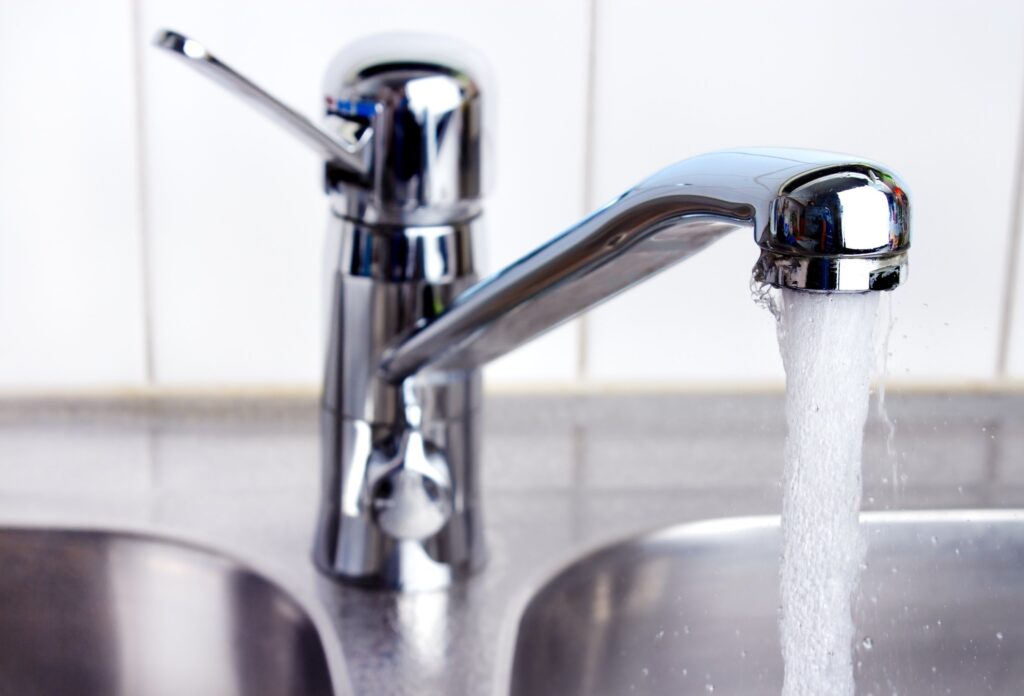
How to fix a faucet that doesn’t have water coming out
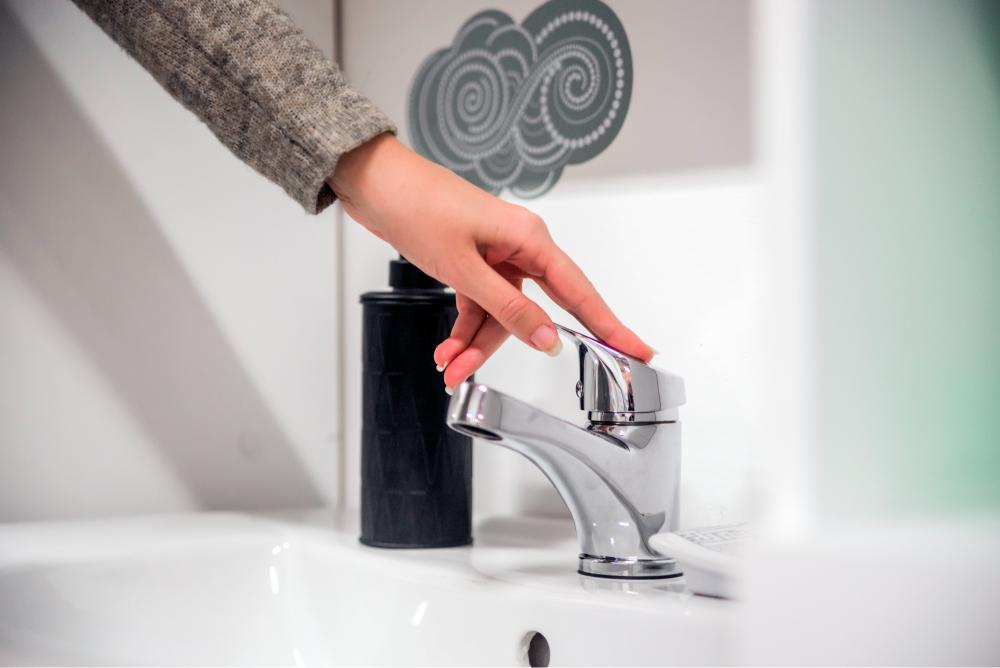
When no tap water comes out, it’s frustrating and difficult to manage, especially if you rely on water for cooking or daily tasks. The reasons why a faucet stops working vary, but most problems can be easily fixed with a little patience and the right tools. Here, we will help you so that you know what to do if no water comes out of the tap and how to fix a faucet that does not come out, step by step.
Step 1: Check if the problem is general or faucet specific
The first thing you should do is determine if the problem of lack of water is exclusive to a single tap or if it affects the entire house. If the problem is only with the faucet, it could be due to a specific problem with the faucet or the pipes connected to it. However, if water isn’t coming out of multiple faucets in your home, the problem could be related to the overall water supply, such as an interruption in service or a problem with the main water valve.
Step 2: Check the water supply
Before attempting to fix the faucet, make sure the water supply is active. Check that the water shut-off valves that control the flow to the faucet are fully open. If any valves are closed, open them all the way to restore water flow.
If you’re sure that the water supply is active and the tap still isn’t working, the problem could be more specific to the tap itself or the internal connections.
Step 3: Inspect the faucet aerator
The aerator is the small mesh located at the bottom of the faucet, and its function is to regulate the flow of water. Over time, aerators can accumulate dirt, limescale, and other debris, which can obstruct the flow of water and cause it to not flow out properly.
To check if the aerator is the problem, unscrew the bottom of the faucet where the aerator is located. Transfer it to a bowl of white vinegar to remove limescale deposits and dirt residues. Let it sit for about 30 minutes, then rinse it with clean water and put it back on tap.
Step 4: Check the faucet cartridge
If the aerator is clean and the water still doesn’t come out, the problem may be related to the faucet cartridge. The cartridge is the internal component of the faucet that controls the flow of water. If the cartridge is damaged or blocked, water will not be able to flow properly.
To access the cartridge, you’ll usually need to remove the faucet handle. Use a screwdriver to remove the screws from the handle and expose the cartridge. If the cartridge is dirty or blocked, clean it with vinegar or replace it with a new one if it is damaged.
Step 5: Check the water supply pipes
If the faucet still does not work after you have checked the aerator and cartridge, there may be a problem with the water supply pipes that feed the faucet. Pipes can become clogged with dirt or debris, restricting the flow of water.
To check the pipes, start by checking for leaks or visible damage to the pipes near the faucet. If you find any leaks or damage to the pipes, you may need to repair or replace them to restore water flow.
If you can’t identify an obvious problem, it’s a good idea to call a professional plumber who can perform a more detailed inspection of the pipes and determine the cause of the blockage.
Step 6: Check if the faucet is clogged by air in the pipes
Sometimes, air trapped in the pipes can cause the faucet to fail to expel water. This occurs if the pipes have been emptied or if there has been an interruption in the water supply. If you suspect that the problem is caused by air in the pipes, turn on the faucet completely and let the water flow for a few minutes. This can help release trapped air.
If the water still does not come out after this procedure, there may be a deeper blockage in the pipes that requires the help of a professional.
Step 7: Replace the faucet if necessary
If after following all the steps above the faucet is still not working properly, it might be time to consider replacing the faucet. Faucets wear out over time and internal components are irreparably damaged. If the faucet is old or badly damaged, replacing it with a new one might be the most efficient solution.
If you decide to replace the faucet, make sure you choose a good quality and good price, which suits the style of your kitchen or bathroom. You can explore specialized online faucet stores such as Universal de Grifería.
Step 8: Preventative Maintenance
Once you’ve fixed the problem, it’s important to perform regular maintenance to avoid future inconveniences. Clean the aerator and check the faucet at least once every three to six months to make sure it’s still working properly. It is also advisable to check the water valves regularly and make sure that there is no limescale build-up in the pipes or on the tap.
What to do if no tap water comes out?
If you come across a faucet that does not come out with water, the first thing to do is to stay calm and follow the basic diagnostic steps that we have mentioned. However, there are additional recommendations that can help you identify the problem:
- Check if the faucet is frozen: In cold weather, pipes can freeze, blocking the flow of water to the faucet. If you suspect this has happened, disconnect the water supply and allow the pipes to thaw safely. Avoid direct heat sources, such as hair dryers, to avoid damage.
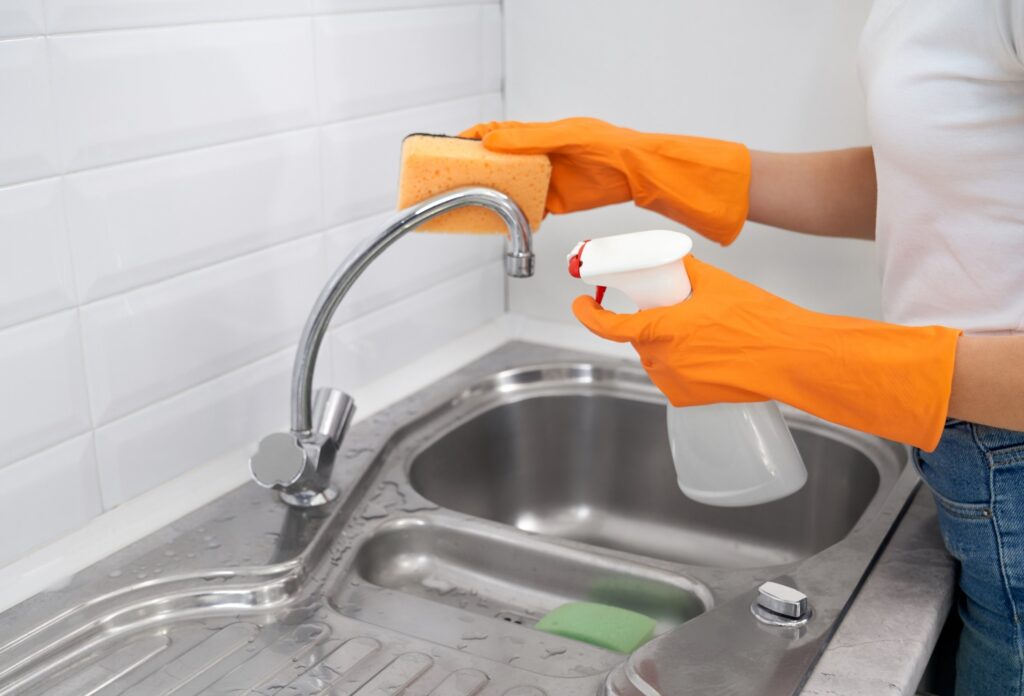
- Check if the faucet is clogged by debris: soap residue, oils, or dirt can accumulate inside the faucet and block the flow of water. Disassembling the faucet and cleaning it thoroughly can help restore flow. Check the internal parts and make sure that there are no impurities that prevent the passage of water.
If after trying these recommendations the problem persists, it is best to contact a professional plumber for a more detailed inspection.
Find the problem and fix it
There is nothing more annoying than a faucet that does not expel water. Fortunately, most of the time, this problem has simple solutions. From cleaning the aerator to checking the pipes, you can take several steps to fix a faucet that doesn’t come out of water. If the problem persists, you can always choose to replace the faucet with a new one and follow preventive maintenance to avoid future problems.
If you need more help or are looking for a new faucet, visit our online store for more tips and learn about our variety of kitchen faucets and wall-mounted kitchen faucets and other products.
Troubleshoot your faucet today and enjoy a steady flow of water!